Construction projects often become stressful at the exact moment concrete is required. You may have prepared the ground, arranged labour, hired equipment, and planned the day carefully, only to realise that mixing concrete manually could slow everything down. Inconsistent batches, wasted materials, limited working space, and unexpected delays can quickly affect the quality of the finished work. When you need dependable ready mix concrete Southall services for a residential, commercial, or trade project, contact Metro Readymix on +44 2081290605 to discuss your requirements before the pour begins.
Ready mix concrete is particularly useful when a project requires a consistent mix, a planned volume, and an efficient workflow on site. Instead of measuring individual materials and producing batch after batch manually, concrete is prepared for the intended application and delivered for placement. This approach can help homeowners, builders, contractors, and property developers reduce avoidable complications during time-sensitive work.
Choosing the right concrete is not simply about ordering a certain number of cubic metres. The intended use, access conditions, required strength, weather, placement method, and project schedule all matter. A driveway, shed base, house extension foundation, commercial floor, and reinforced structural element may require different specifications. The right starting point is a clear conversation with a supplier who understands the practical questions that need to be answered before concrete reaches the site.
Why Concrete Projects Can Become Difficult So Quickly
The Real Problem Is Often Poor Planning, Not the Concrete Itself
Concrete looks straightforward when the work is viewed from a distance. Materials arrive, the concrete is poured, the surface is levelled, and the project moves forward. In reality, a successful pour depends on a sequence of decisions that must be made before any concrete is placed. Ground preparation must be completed correctly. Access must be checked. Labour must be available at the right time. The required volume must be estimated carefully. The appropriate mix must be selected for the intended application.
When one part of that sequence is overlooked, a manageable project can turn into an expensive and tiring day. A builder may discover that a delivery vehicle cannot reach the intended area. A homeowner may underestimate the amount of concrete needed for a garden base. A contractor may realise that manually mixing multiple batches creates unnecessary variation and consumes valuable time. These issues are especially frustrating because concrete work is time-sensitive. Once placement begins, the team needs a practical plan and a clear understanding of what happens next.
This is where a professional conversation about ready mix concrete Southall requirements can make a meaningful difference. The goal is not merely to arrange a delivery. The goal is to make the entire process more predictable, from the first calculation to the finished surface.

What Ready Mix Concrete Actually Means
Ready mix concrete is produced using measured proportions of materials to meet the requirements of a particular project or application. It is supplied in a workable condition so that the site team can focus on placement, levelling, finishing, and curing rather than repeatedly measuring and mixing materials on site.
In the United Kingdom, concrete specification is not a guessing exercise. BS 8500 complements BS EN 206 and provides UK-specific guidance for concrete specification. The current BS 8500 framework includes provisions relating to constituent materials, delivery, production control, conformity testing, and transport. It also reflects the growing importance of lower-carbon concrete compositions.
That technical background matters because concrete is not a single universal product. A mix suitable for a straightforward domestic base may not be suitable for a structural application or a surface exposed to different environmental conditions. Good advice begins with understanding the job rather than assuming that one mix will serve every purpose.
Why Southall Projects Need a Local, Practical Approach
Southall contains a varied mix of residential properties, extensions, renovations, commercial premises, landscaping projects, and ongoing building work. The physical conditions of each site can differ substantially. Some properties have straightforward access, while others involve narrow entrances, restricted parking, shared driveways, busy roads, or working areas located behind a building.
These practical details matter when ordering ready mix concrete Southall services. The best concrete specification is only useful when the placement plan is realistic. Before arranging a pour, the customer should consider where the concrete is needed, how it will reach that area, whether additional equipment may be required, and how many people will be available to place and finish the material efficiently.
Metro Readymix can be contacted before the pour to discuss the project details. A brief conversation at the planning stage can help identify questions that may otherwise appear only when work is already underway.
What Works: When Ready Mix Concrete Is the Right Choice
Choose Ready Mix Concrete for Foundations and Extension Projects
Foundations are one of the clearest examples of a project where avoidable inconsistency should be reduced. Whether the work involves a house extension, an outbuilding, a garage, or another permanent structure, the concrete forms an important part of the project’s long-term performance. This is not the stage where rushed decisions or improvised batching are desirable.
The required specification may depend on several factors, including the proposed structure, ground conditions, design requirements, exposure conditions, and instructions from the relevant construction professional. BS 8500 uses different exposure classifications to address deterioration risks, including corrosion associated with carbonation or chlorides, freeze-thaw action, and chemical attack.
For homeowners, the technical language can feel intimidating. That is normal. You do not need to become a concrete specialist overnight. However, you should provide the information supplied by your builder, structural engineer, architect, or other relevant professional when discussing the order. Where a formal specification has been provided, it should be followed rather than replaced with assumptions.
Ordering ready mix concrete Southall services for foundation work can make the site workflow more manageable. Instead of spending hours manually mixing repeated batches, the team can concentrate on receiving, placing, compacting, and finishing the concrete appropriately. This is particularly valuable when a project has a defined schedule and several trades are involved.
Use Ready Mix Concrete for Driveways and Larger Outdoor Areas
A driveway is often one of the first things people notice when they approach a property. Unfortunately, it is also a project where shortcuts become visible quickly. Uneven sections, inconsistent batches, poor preparation, unsuitable finishing, and rushed placement can reduce the quality of the result.
For a driveway or larger hardstanding area, the amount of concrete required may make manual mixing impractical. Producing batch after batch can take significant time and effort. It can also make it harder to maintain a consistent workflow across the whole area. Some sections may begin progressing while later sections are still being mixed, which can create unnecessary pressure for the people completing the placement and finish.
Choosing ready mix concrete Southall services can simplify the process when the groundwork has been completed and the team is ready to place the concrete efficiently. Before ordering, it is important to consider the dimensions of the area, the intended use, the required depth, sub-base preparation, drainage, edge restraints, and access for placement. A domestic path used by pedestrians does not face the same demands as a driveway used by vehicles.
A careful approach protects the investment. Concrete should not be treated as the final decorative layer added at the end of a project. Its performance begins with proper planning below the surface.

Consider Ready Mix Concrete for Patios, Garden Rooms, and Shed Bases
Garden projects can look small on paper and still become labour-intensive in practice. A patio, workshop base, summerhouse base, garden room foundation, or shed base may involve more concrete than expected once the dimensions and depth are calculated correctly.
Many homeowners start by considering manual mixing because the project appears manageable. The difficulty becomes obvious when bags of materials need to be moved through the property, batches must be mixed repeatedly, and the working area begins to feel crowded. A job intended to improve the garden can quickly become physically demanding and disorganised.
Ready mix concrete can be a practical solution when the base is large enough to justify a planned delivery and the site is prepared in advance. It can reduce the amount of on-site mixing and help the team maintain momentum during placement. The key is to calculate the volume carefully and discuss any access restrictions before confirming the order.
For properties with limited rear access, the route from the delivery point to the working area needs particular attention. A narrow side passage, steps, gates, landscaping, parked vehicles, or distance from the road may affect the placement plan. When discussing ready mix concrete Southall requirements with Metro Readymix, explain these conditions clearly. An honest description of the site is more useful than discovering a limitation during the pour.
Choose Ready Mix Concrete When Time on Site Matters
Manual mixing can be suitable for certain very small jobs, but it becomes inefficient when a project requires a meaningful volume of concrete. Each batch takes time to measure, combine, transport, and place. The work is repetitive, and the team must maintain attention throughout the process.
Time matters for more than convenience. Labour costs, equipment hire, vehicle arrangements, access windows, neighbouring properties, and the schedules of other trades can all affect a project. A delay at the concrete stage may prevent the next stage of work from moving forward.
Ready mix concrete allows the team to focus on the work that can only happen on site: preparing the area, receiving the material, moving it to the correct location, placing it properly, and achieving the required finish. This is one of the strongest reasons to consider ready mix concrete Southall services for larger residential or commercial jobs.
Efficiency does not mean rushing. A good pour is organised rather than hurried. The working area should be ready before the concrete arrives. Tools should be available. Responsibilities should be clear. Everyone involved should understand the placement route and the intended finish.
Use Ready Mix Concrete When Consistency Is Important
One of the risks of repeated manual mixing is variation. Even when the team is experienced, producing many individual batches creates more opportunities for differences in measurement, water addition, mixing time, and handling. These differences may affect workability and the consistency of the overall result.
Ready mix concrete is produced with measured materials and controlled processes. For customers, the practical benefit is a more dependable starting point. However, site handling still matters. A suitable mix can be compromised by poor preparation, inappropriate additions, delays, or unsuitable placement practices.
This is an important distinction. Ordering concrete does not remove the need for good workmanship. It supports good workmanship by reducing unnecessary variables at the mixing stage. The best outcome comes from combining an appropriate specification with a prepared site and an organised team.
British Standard designated concrete mixes are predefined formulations developed to comply with BS 8500 for relevant applications, supporting consistent strength, workability, and durability requirements.
Consider Ready Mix Concrete for Commercial and Trade Projects
Commercial projects often involve stricter schedules, coordination between multiple trades, and a greater need for reliable planning. A missed or poorly organised pour can affect more than one task. It may delay follow-on work, increase labour costs, or create avoidable pressure on the site team.
For builders and contractors working in Southall, ready mix concrete can support a more streamlined workflow. The important step is to provide accurate project information when placing the order. The volume, application, site access, delivery considerations, placement method, and timing should all be discussed clearly.
A trade customer may already have a detailed specification. A homeowner may need help understanding what information to gather from their builder. Both situations benefit from clear communication. Metro Readymix can discuss the order requirements so that the project starts with a more complete picture.
Ready Mix Concrete Can Reduce Clutter on Busy Sites
Space is often limited on residential and urban sites. Storing bags of materials, positioning mixing equipment, organising water access, and managing waste can make a small working area even more difficult to navigate. This problem is particularly noticeable during renovation projects where the property remains occupied.
Using ready mix concrete Southall services can reduce the need to store and handle separate materials for extensive on-site mixing. That can help keep the working area more organised and allow the team to direct its effort toward placement and finishing.
This benefit should not be exaggerated. Every concrete pour still needs preparation, appropriate equipment, and safe working practices. The advantage is that the site does not have to function as a repeated batching area for the entire pour.
Think About Ready Mix Concrete for Floors and Internal Bases
Concrete floors and internal bases require careful planning because access, level, finish, and sequencing can all influence the result. The correct approach depends on the building design and intended use. A garage floor, workshop floor, domestic extension floor, and commercial floor may have different requirements.
The site team should review the required depth, reinforcement details where applicable, damp-proofing arrangements, insulation requirements, level markers, and placement method before ordering. Any formal design specification should be followed carefully.
A common mistake is focusing solely on the concrete volume without thinking through the practical process of moving and levelling the material. For internal areas, the distance from the delivery point and the route into the building can be just as important as the calculation itself.
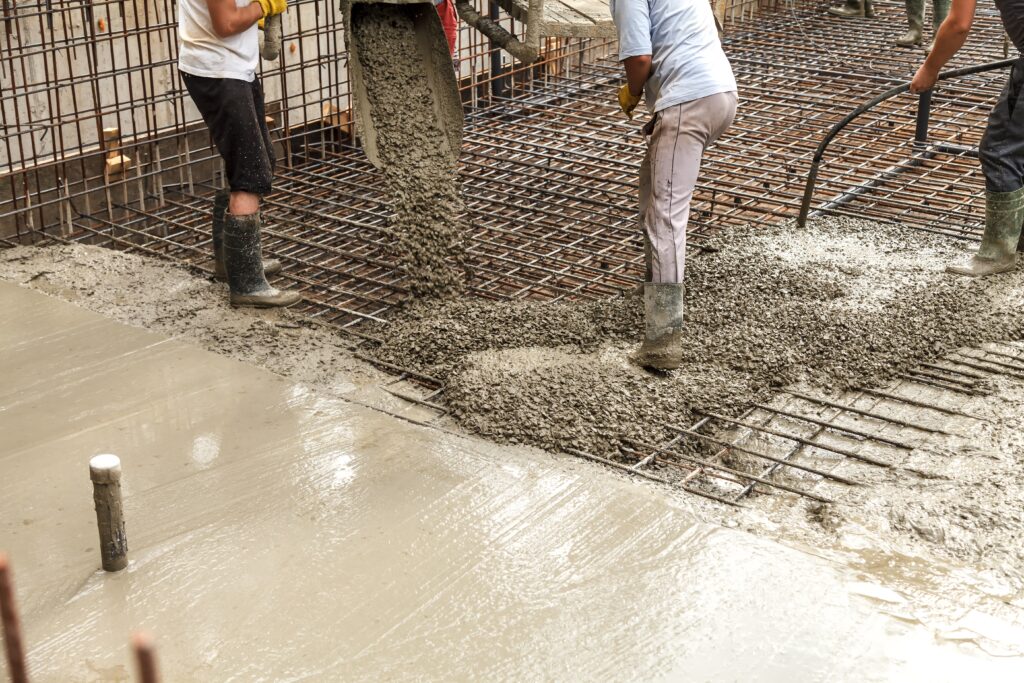
Next Steps: How to Order Ready Mix Concrete with Confidence
Start with the Intended Application
The first question is simple: what are you building? A clear description helps shape the conversation. Explain whether the concrete is required for a foundation, extension, driveway, patio, garden room, shed base, floor, commercial area, or another purpose.
Do not rely on vague terms such as “a small job” or “a standard base.” Two bases can look similar while serving very different purposes. A base for a lightweight shed is not necessarily comparable to a foundation for a permanent structure. The intended use matters.
Where an architect, structural engineer, builder, or other relevant professional has provided a specification, keep it available when discussing the order. This reduces guesswork and helps protect the quality of the project.
Calculate the Volume Carefully
Concrete volume is commonly considered in cubic metres. For a straightforward rectangular area, the basic calculation involves multiplying length by width by depth using consistent units. Irregular shapes, varying depths, foundations, trenches, and complex layouts may require more careful assessment.
Estimating too little concrete can interrupt the workflow. Estimating substantially too much can increase waste and cost. This is one reason customers should discuss the dimensions clearly rather than relying on a rough visual estimate.
Check measurements more than once. Confirm whether depths have been converted correctly. Ask your builder or site professional to review the quantity where necessary. A few minutes spent checking calculations can prevent a much larger inconvenience during the pour.
Describe the Access Conditions Honestly
Access is one of the most important parts of ordering ready mix concrete Southall services. Explain where the project is located, where the concrete is needed, and what sits between the likely delivery point and the working area.
Mention narrow roads, restricted entrances, gates, low clearances, steps, long distances, parking limitations, busy traffic conditions, or shared access. Do not leave out a detail because it seems minor. A gate that is slightly too narrow or a route blocked by parked cars may affect the practical plan.
It can help to review the route as though you were visiting the property for the first time. Familiarity makes obstacles easy to overlook. A fresh assessment often reveals the issues that need to be discussed before the scheduled work begins.
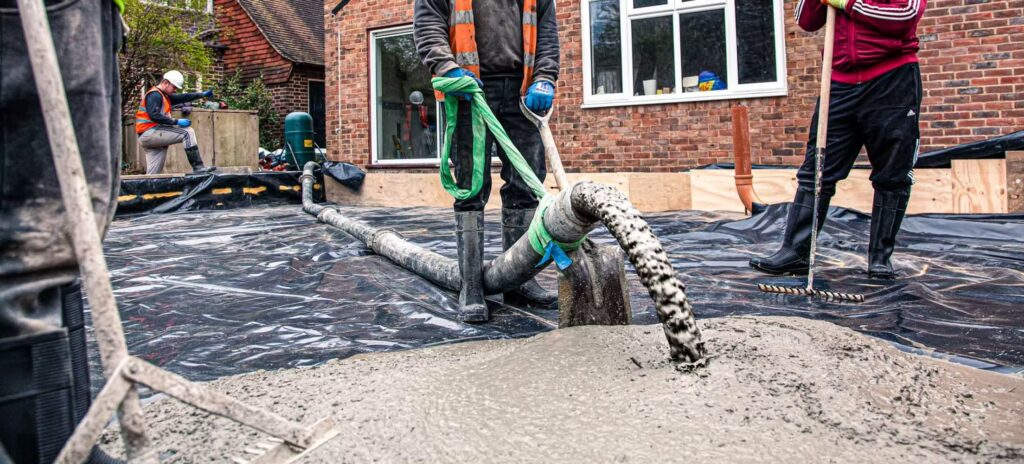
Prepare the Site Before the Concrete Arrives
The site should be ready for placement, not almost ready. Excavation, sub-base preparation, formwork, membranes, reinforcement, access arrangements, and required tools should be addressed before the pour begins. The team should know where the concrete is going and who is responsible for each part of the work.
This preparation is especially important for homeowners managing their first concrete project. It is easy to underestimate how much coordination is involved. Ask your builder to walk through the process in advance. Confirm the placement route. Make sure that the working area is clear. Consider the effect on neighbours where access is shared or roadside activity is expected.
A well-prepared site makes the experience feel controlled. A poorly prepared site creates pressure at the moment when calm decision-making matters most.
Discuss the Mix Rather Than Guessing
Concrete specification can involve strength class, exposure conditions, workability, application requirements, and other technical considerations. The appropriate choice depends on the project. For formal structural work, follow the specification provided by the relevant professional.
BS 8500 complements BS EN 206 by providing UK-specific guidance for concrete specification, including provisions that reflect UK construction conditions and lower-carbon composition options.
The practical lesson is straightforward: explain the job and share any specification you have received. Guessing may feel quicker, but it is rarely the best foundation for a durable result.
Plan for the Day of the Pour
Before the concrete arrives, confirm that the working team understands the schedule. Check the weather conditions relevant to the planned work. Make sure tools are ready and the site is accessible. Confirm that the area is safe and that the placement route remains clear.
Think through the finish required after placement. A functional base, a floor, and a visible external area may need different attention during finishing. The curing process also matters. Concrete does not become a completed surface the instant it is levelled.
A professional result comes from treating the pour as a sequence rather than a single event. Preparation, delivery, placement, finishing, protection, and curing all deserve attention.
FAQs
When should I choose ready mix concrete instead of mixing on site?
Ready mix concrete is often worth considering when the project requires a meaningful volume, consistent batching, efficient placement, or a planned workflow. It is commonly discussed for foundations, driveways, floors, patios, garden buildings, and commercial projects. The best choice depends on the application, quantity, and site access.
How do I know how much concrete I need?
Start by measuring the length, width, and depth of the area using consistent units. Multiply those measurements to estimate the cubic volume for a straightforward rectangular area. Foundations, trenches, irregular layouts, and varying depths need more careful calculations. Ask your builder or relevant professional to review the quantity before ordering.
Can Metro Readymix help with a Southall concrete enquiry?
Yes. Contact Metro Readymix on +44 2081290605 to explain your project, the intended application, measurements, site access, and any specification you have received. The conversation should take place before the planned pour so that practical details can be considered early.
Can I change the concrete mix after placing the order?
Once an order for ready mix concrete is confirmed, altering the mix can be difficult because the batching process is already scheduled at the plant. Minor adjustments may be possible if you contact Metro Readymix immediately, but planning your specification in advance is the best way to ensure the right mix for your project.
How soon should I schedule delivery for my Southall project?
Delivery should be scheduled only after the site is fully prepared, including excavation, formwork, reinforcement, and access arrangements. Typically, discussions with Metro Readymix a few days before the pour help ensure that the right volume, mix, and delivery window align with your project schedule, reducing delays and stress on site.