Delays, inconsistent concrete quality, unexpected site issues, and poor coordination between suppliers and construction teams are some of the most common problems faced in modern construction projects. When concrete does not arrive on time or loses its required workability, the entire structure can suffer in terms of strength, durability, and cost efficiency. If you are dealing with such challenges, understanding how metro ready mix delivery works can make a significant difference in how smoothly your project runs. For professional assistance or timely supply coordination, you can also reach out at +442081290605 to get direct support for delivery planning and scheduling.
The metro ready mix system is designed to eliminate the unpredictability of traditional site mixing by ensuring that concrete is prepared under controlled conditions and delivered ready for immediate use. However, the real success of this system depends heavily on how efficiently the delivery process is managed from the batching plant to the construction site.
What is Metro Ready Mix?
Before diving into the delivery process, it is important to understand what metro ready mix actually means. Metro ready mix refers to concrete that is produced in a centralized batching plant under strict quality control conditions and then transported to construction sites in transit mixer trucks. Unlike traditional on-site mixing, where consistency can vary due to human error or environmental conditions, metro ready mix ensures uniformity and precise composition in every batch.
This controlled production method allows builders to achieve higher strength concrete, better durability, and reduced material wastage. The mix is carefully designed based on project requirements, including factors such as load-bearing capacity, environmental exposure, and setting time. Once prepared, it is transported quickly to maintain its fresh and workable state.
Importance of Proper Delivery in Ready Mix Concrete
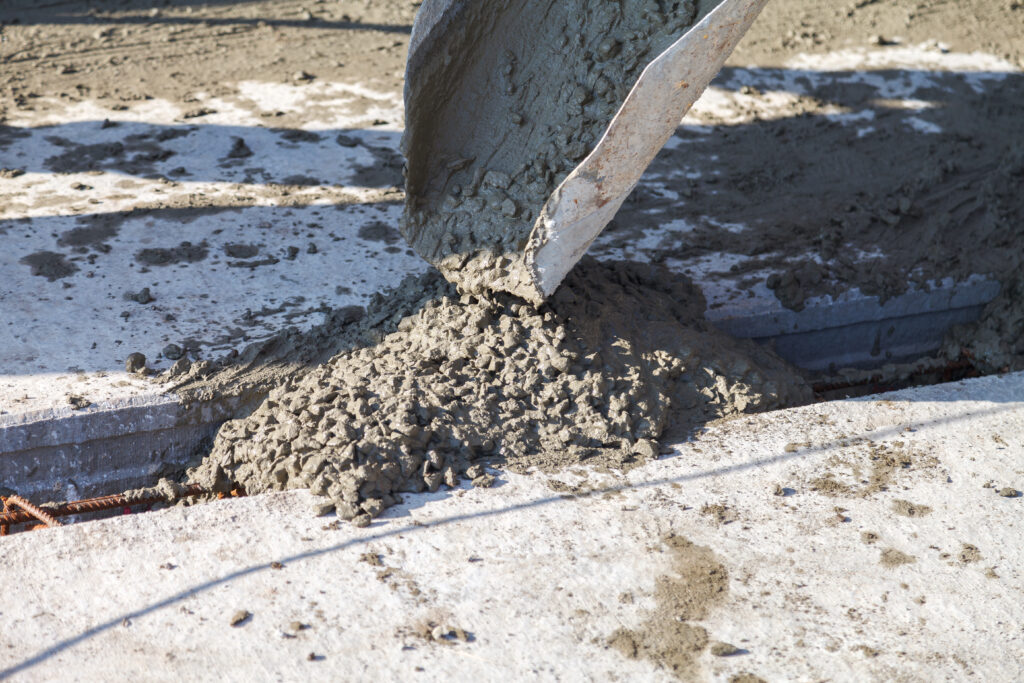
Even the best-designed metro ready mix concrete can fail if delivery is not handled correctly. The journey from the batching plant to the site is critical because concrete begins to set immediately after mixing. Any delay or mishandling during transportation can lead to reduced workability, segregation of materials, or premature hardening.
Proper delivery ensures that the concrete retains its designed properties until it is placed at the construction site. This directly affects structural integrity, finishing quality, and long-term durability. In large-scale projects, where timing is everything, efficient delivery becomes even more important to avoid downtime and labor inefficiencies.
Step-by-Step Metro Ready Mix Delivery Process Overview
The delivery of metro ready mix follows a structured workflow that ensures quality is preserved from production to placement. It begins with order placement and ends with final discharge at the construction site. Each step is carefully timed and monitored to ensure that the concrete remains fresh, workable, and suitable for construction use.
Understanding this process helps contractors and project managers coordinate better and avoid costly delays or quality issues.
Step 1: Placing the Order for Metro Ready Mix
The process begins when the contractor or builder places an order for metro ready mix concrete. This stage involves selecting the appropriate mix design based on the structural requirements of the project. Different grades such as M20, M30, or M40 are chosen depending on the strength needed.
Accurate quantity estimation is crucial at this stage to avoid shortages or excess material. The delivery time is also scheduled carefully, ensuring that the site is fully prepared to receive and pour the concrete immediately upon arrival. Proper communication at this stage lays the foundation for a smooth delivery process.
Step 2: Batch Plant Preparation
Once the order is confirmed, the batching plant begins preparation. In this stage, raw materials such as cement, aggregates, sand, water, and chemical admixtures are carefully selected and measured. The quality of each material is checked to ensure compliance with project specifications.
The metro ready mix batching plant operates under strict quality control systems where every ingredient is proportioned precisely. This ensures that the final concrete mix meets the required strength and durability standards. Even slight variations at this stage can affect the final performance of the concrete.
Step 3: Mixing Process at the Plant
After preparation, the materials are fed into an automated mixing system. The metro ready mix process uses advanced machinery to ensure uniform blending of all components. This stage is highly time-sensitive, as over-mixing or under-mixing can affect the consistency of the concrete.
The goal is to achieve a homogeneous mixture where every particle of cement and aggregate is evenly distributed. This ensures that the concrete performs consistently when placed at the construction site.
Step 4: Loading Metro Ready Mix into Transit Mixers
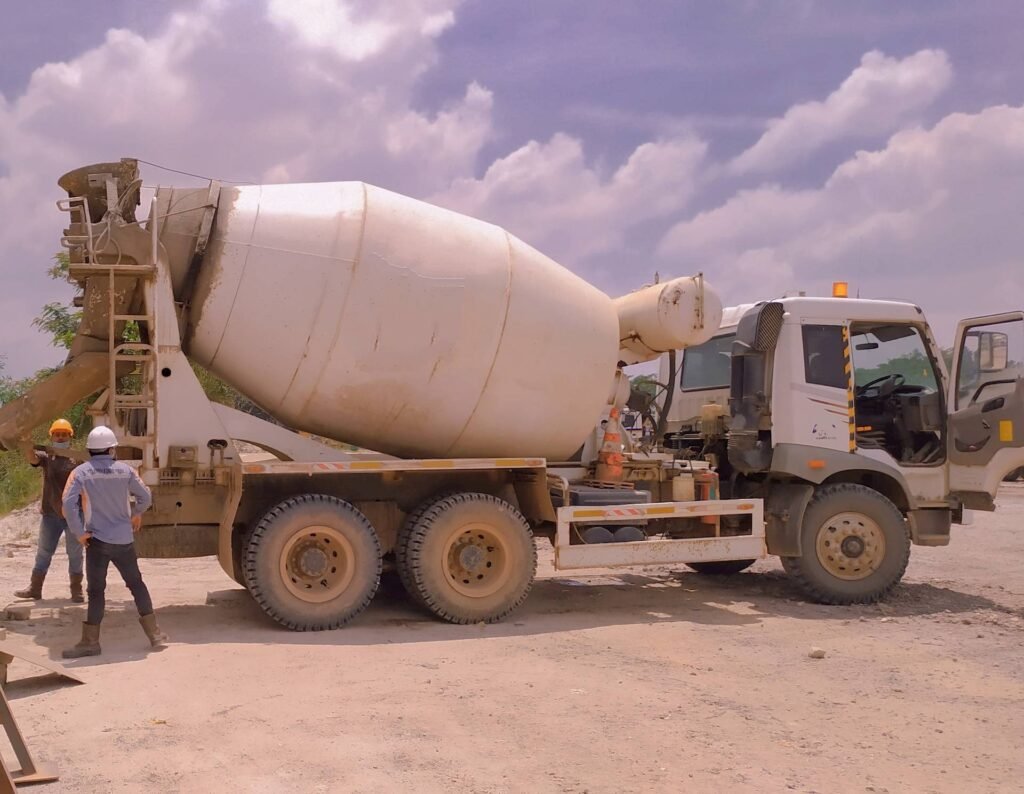
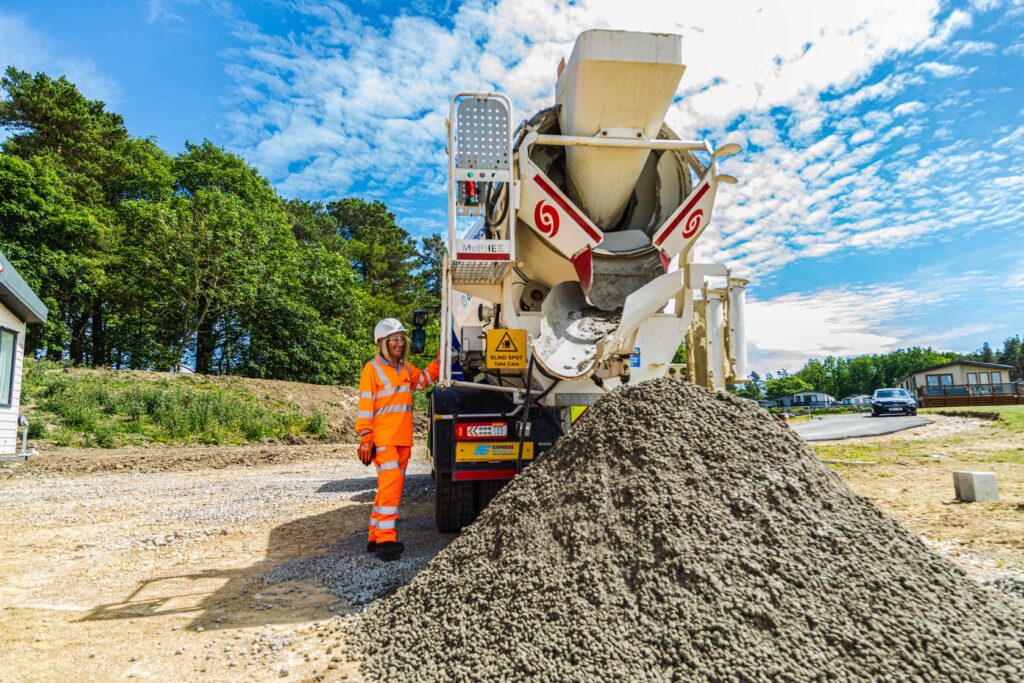
Once the mixing process is complete, the fresh metro ready mix concrete is loaded into transit mixer trucks. These trucks are specially designed with rotating drums that keep the concrete in motion during transportation.
This rotation prevents the concrete from settling or separating into layers. During loading, care is taken to avoid segregation and ensure that the mix remains uniform. Quality checks are also performed before the truck leaves the batching plant to confirm consistency.
Step 5: Transportation to Construction Site
Transportation is one of the most critical phases in the metro ready mix delivery process. The route is carefully planned to minimize travel time and avoid traffic congestion. Since concrete has a limited workable life, every minute counts.
During transit, the mixer drum continuously rotates at a controlled speed to maintain the freshness of the concrete. Temperature and environmental conditions are also considered, especially in extreme weather, to prevent premature setting or moisture loss.
Step 6: Arrival at Site and Pre-Discharge Inspection
Upon arrival at the construction site, the metro ready mix delivery undergoes a pre-discharge inspection. Site engineers perform slump tests to check the workability and consistency of the concrete. This ensures that the mix meets the required specifications before it is poured.
The site must also be fully prepared, with formwork, reinforcement, and equipment ready for immediate use. Any delay at this stage can compromise the quality of the concrete.
Step 7: Concrete Discharge Process
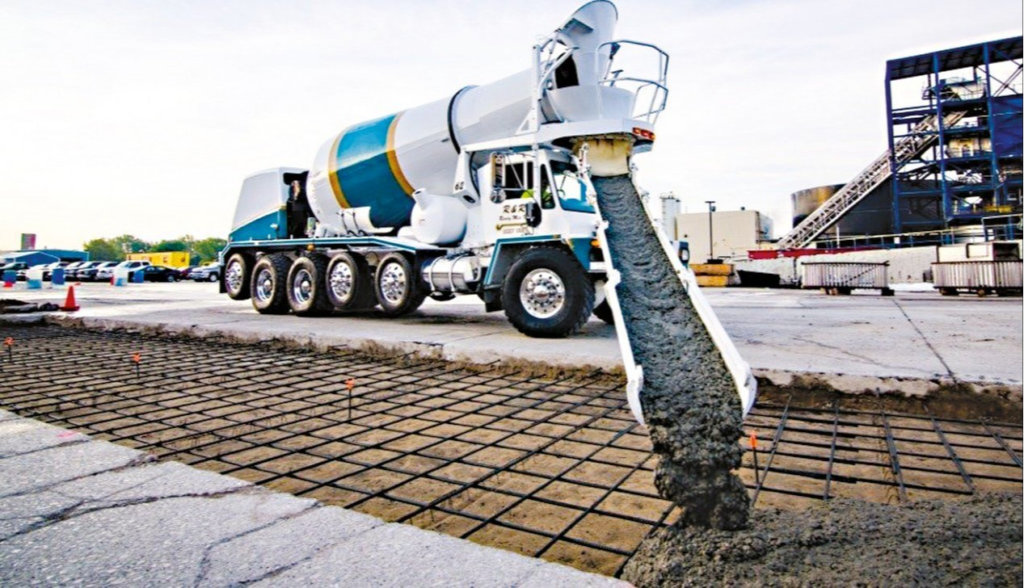
Once approved, the metro ready mix concrete is discharged from the truck. This process may involve the use of pumps, chutes, or cranes depending on the site requirements. The goal is to ensure smooth and controlled placement of concrete without segregation or air pockets.
Proper coordination between the delivery team and site workers is essential to ensure continuous flow and avoid cold joints in the structure.
Step 8: On-Site Quality Monitoring
Even during discharge, continuous monitoring is carried out to ensure the quality of metro ready mix concrete remains consistent. Adjustments may be made if necessary, although these are carefully controlled to avoid altering the mix design.
Site engineers monitor flow, texture, and placement conditions to ensure that the concrete performs as expected during curing and hardening.
Step 9: Finishing and Compaction
After placement, the concrete undergoes finishing and compaction. Vibrators are used to remove trapped air and ensure that the metro ready mix settles evenly within the formwork. This step is crucial for eliminating voids and achieving a dense, strong structure.
Proper leveling and surface finishing are also carried out to meet design specifications and ensure structural accuracy.
Step 10: Post-Delivery Cleanup and Documentation
Once the concrete is placed and finished, cleanup activities begin. Transit mixer trucks are washed to prevent leftover concrete from hardening inside the drum. Site tools and equipment are also cleaned to maintain operational efficiency.
Documentation is an important part of the metro ready mix process. Delivery slips, batch records, and quality reports are verified and stored for project tracking and compliance purposes.
Conclusion
The delivery of metro ready mix is a carefully coordinated process that plays a crucial role in the success of any construction project. From ordering and batching to transportation and final placement, every step must be executed with precision and timing. When managed correctly, it ensures strong, durable, and high-quality structures that stand the test of time. Understanding this process not only helps contractors improve efficiency but also reduces risks and enhances overall project performance.
FAQs
What is metro ready mix concrete used for?
Metro ready mix concrete is used in a wide range of construction projects including residential buildings, commercial complexes, bridges, roads, and industrial structures. It is preferred because it ensures consistent quality, saves time, and reduces on-site mixing errors.
How long does metro ready mix concrete stay workable during delivery?
Generally, metro ready mix concrete remains workable for about 90 to 120 minutes after mixing, depending on weather conditions, mix design, and admixtures used. Proper transportation and drum rotation help maintain its usability until placement.
What happens if metro ready mix concrete is delayed during delivery?
If delivery is delayed, the concrete may begin to set or lose workability, which can reduce its strength and make placement difficult. In such cases, chemical admixtures may be used, but severe delays can result in rejection of the batch.
Can the quality of metro ready mix be tested at the construction site?
Yes, the quality is commonly tested at the site using slump tests and sometimes cube tests for strength verification. These tests ensure that the delivered concrete meets the required specifications before and after placement.
Why is timing so important in metro ready mix delivery?
Timing is critical because concrete begins to hydrate immediately after mixing. Any delay in delivery or placement can affect its strength, durability, and finish quality. That’s why careful scheduling is essential in metro ready mix operations.